


Since 2020, the rise in QR Code-use has increased astronomically. At the time they were one of the only solutions that thrived in a world of no contact.
In fact, they still remain a consistent feature of our lives today.
They are quick, cheap and largely recognisable to people which makes them ideal for driving traffic to your online destination. From restaurant menus to marketing campaigns, QR Codes have now expanded into every industry and that includes the Third Sector.
Charities often use QR Codes to drive traffic to a particular site or online form, whether that’s an online giving page, a direct debit sign-up or a Gift Aid declaration form. With teams already stretched, QR Codes can remove some of the manual responsibility and allow donors to engage with a cause on their own terms, from anywhere in the world.
We believe that they are a useful tool and shouldn’t be discounted, however, there are some risks that anyone using QR Codes should be aware of – whether you’re a fundraiser or a donor.
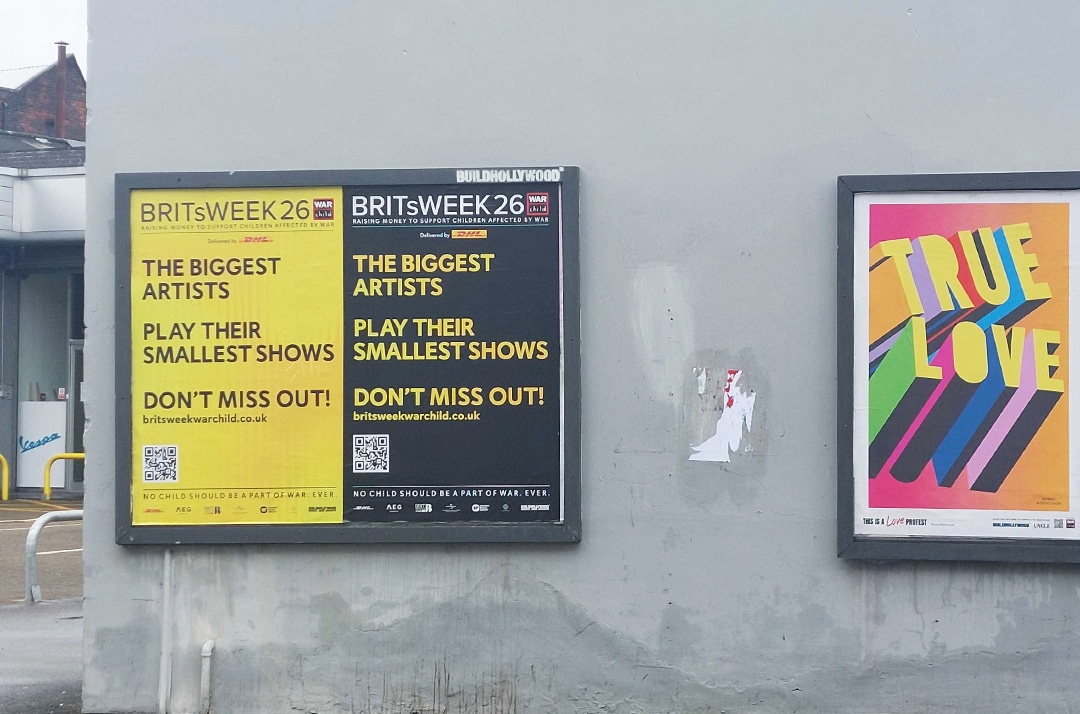
If there is intention behind their use, they can be a successful source of traffic. For example, adding a QR Code to promotional materials that are handed out at supporter events, with a link to sign-up to your charity newsletter. However, due to their typically small size, QR Codes can be easily missed in a busy environment and therefore shouldn’t be relied on as a primary source of onsite fundraising.
We know from experience, the bigger the solution, the bigger it’s presence and the more donations captured. QR Codes require extra messaging, clear directions and calls to action, otherwise donors may miss the donation ask entirely.
A good example of this was seen during the Bears of Sheffield campaign, put on by the local Children’s Hospital Charity. Our device was positioned next to just one of the Bears, while QR Codes were available on to scan at all the other Bear sites.
During a 3-month period, our device raised £6,600, compared to a total of just £44 raised through the QR Codes.

QR Codes heavily rely on the user and their technical ability, meaning without supporter understanding and engagement you won’t see much success. The supporter needs a clear understanding of what a QR Code is and how it works, a working smartphone with a camera and access to internet.
This leaves too many aspects of the journey to chance:
We know that providing accessible giving solutions is the key to successfully capturing support, so make sure that all demographics can give easily and comfortably to your cause. Don’t exclude those in poorer socio-economic areas and older generations who may find technology to be a barrier.
Success rates can vary depending on sector, use case and audience. Religious organisations, for example, tend to see low scan-through rate of just 2.4% according to Uniqode – this could be a result of older demographics, lack of internet or complex user journeys.
Getting the public to scan the code is just half the battle. Once scanned, it is up to the supporter to complete the journey which can lead to high drop off rates.
Most people don’t want to fill in an extensive sign-up form while they are out and about. This is especially true in cultural sites or tourist attractions – if you were having a nice day out, would you pause everything to complete a form on your phone?
But what if the donor scans the code for later? Unfortunately, the odds of the journey being completed are still very low. The donor could get distracted and forget about it completely, they could lose access to the link or they could submit their details incorrectly – the point is, this process is very susceptible to human error in a time where fundraisers need success rates to be as high as possible.
The Redeemed Christian Church of God UK launched a campaign during a live stream which used QR Codes as a way to capture support online. Out of the 15,912 views, only 194 people scanned the code – a success rate of 1.3%.
Like with any online tool, there are cybersecurity risks. QR Code links can easily be tampered with by scammers, either physically or digitally, to cause harm and these ‘quishing’ attacks are becoming more common due to the public’s willingness to scan the codes.
In fact, QR code ‘quishing’ scams have risen 14-fold in the last five years, with £3.5 million lost to QR code scams in 2024 alone.
Cybersecurity risks include:
It is incredibly important for users to be cautious when using QR Codes, especially when a donation ask is being made. Donors should be cautious when verifying the source of the code – is it clearly owned by the charity? Is the QR Code accessible to the public and therefore at risk of being tampered with?
For fundraisers this is yet another income stream to manage. QR Codes need to be regularly monitored by a member of your team in order to minimise risks such as broken or expired links, malware and fraud. Any physical printing needs to be a high enough quality for users to scan the code and will need re-printing if tampered with.
It’s also worth considering which platform you use for QR Code creation – depending on if the code is dynamic (editable) or static (not editable) you may have to pay a subscription fee in order to keep access.
According to the BBC, National Car Parks (NCP), who have over 800 sites across the UK, have been dealing with consistent quishing attacks, have had to implement a rigorous process in which signs are inspected and tested daily to minimise the chance of tampering. They are even considering removing the QR Codes all together.
Like with any technology, learning about their potential advantages or disadvantages and how they could impact your work is key to having confidence.
QR Codes are a useful tool and they definitely have their place within the Third Sector. We recommend using them for shorter online journeys like campaign promotion or newsletter sign-ups, not donation capture.
When it comes to fundraising, the above risks outweigh the potential rewards and the level of income will never match that of other methods of donation capture.
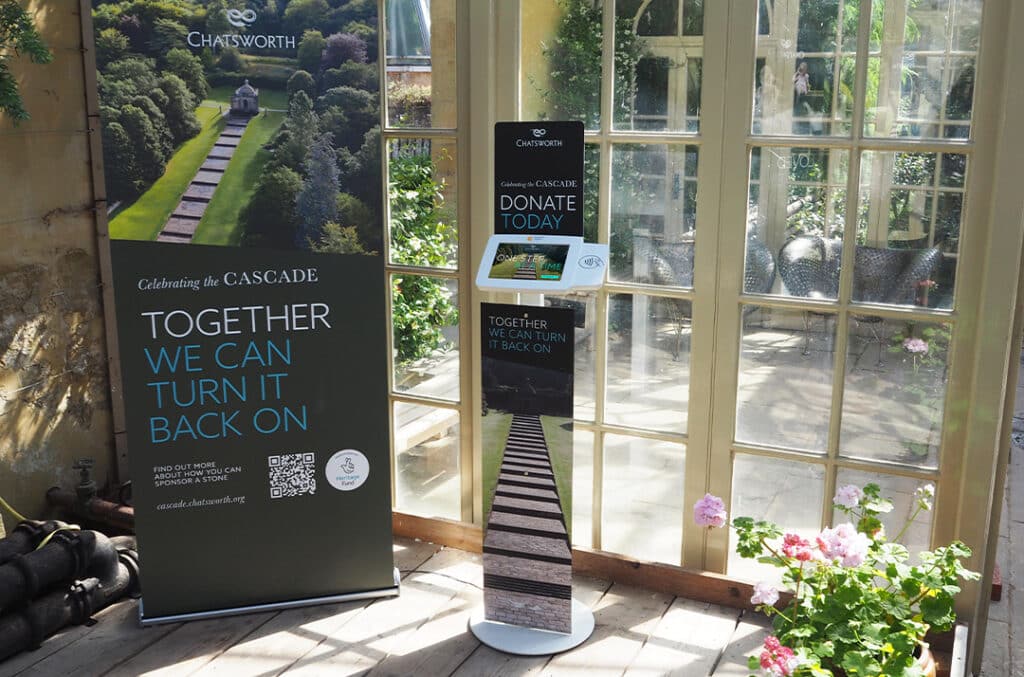
Chatsworth House Trust used QR Codes as a part of their Cascade restoration campaign, alongside our contactless devices. The QR Codes drove traffic to their website, where supporters could find out more information about the campaign and the opportunity to ‘sponsor a stone’.
Due to their site being paid entry and monitored by security, the banners are not accessible to the public and therefore the risk of tampering is very low. There is also no question about the authenticity of the link as the user is taken to the official campaign website, with clear Chatsworth House branding.
We help socially-minded organisations transition to digital systems, building stronger relationships through impactful products and services.
Our experience goes back two decades, with a foundation building and providing critical digital services and products for the financial services and retail industries.
With a long-proven ability to handle challenging projects and a team of trusted experts, we work hard to solve problems and deliver change that helps others.
Get in touch today to learn more about transforming your fundraising efforts into streamlined, contactless campaigns.
copyright@gwd.team All right reserved
| Cookie | Duration | Description |
|---|---|---|
| cookielawinfo-checkbox-analytics | 11 months | This cookie is set by GDPR Cookie Consent plugin. The cookie is used to store the user consent for the cookies in the category "Analytics". |
| cookielawinfo-checkbox-functional | 11 months | The cookie is set by GDPR cookie consent to record the user consent for the cookies in the category "Functional". |
| cookielawinfo-checkbox-necessary | 11 months | This cookie is set by GDPR Cookie Consent plugin. The cookies is used to store the user consent for the cookies in the category "Necessary". |
| cookielawinfo-checkbox-others | 11 months | This cookie is set by GDPR Cookie Consent plugin. The cookie is used to store the user consent for the cookies in the category "Other. |
| cookielawinfo-checkbox-performance | 11 months | This cookie is set by GDPR Cookie Consent plugin. The cookie is used to store the user consent for the cookies in the category "Performance". |
| viewed_cookie_policy | 11 months | The cookie is set by the GDPR Cookie Consent plugin and is used to store whether or not user has consented to the use of cookies. It does not store any personal data. |
Have a general enquiry?